Aeration Tubes & Discs
Microporous aeration delivers oxygen to the bottom layer where it is needed — not just the surface.
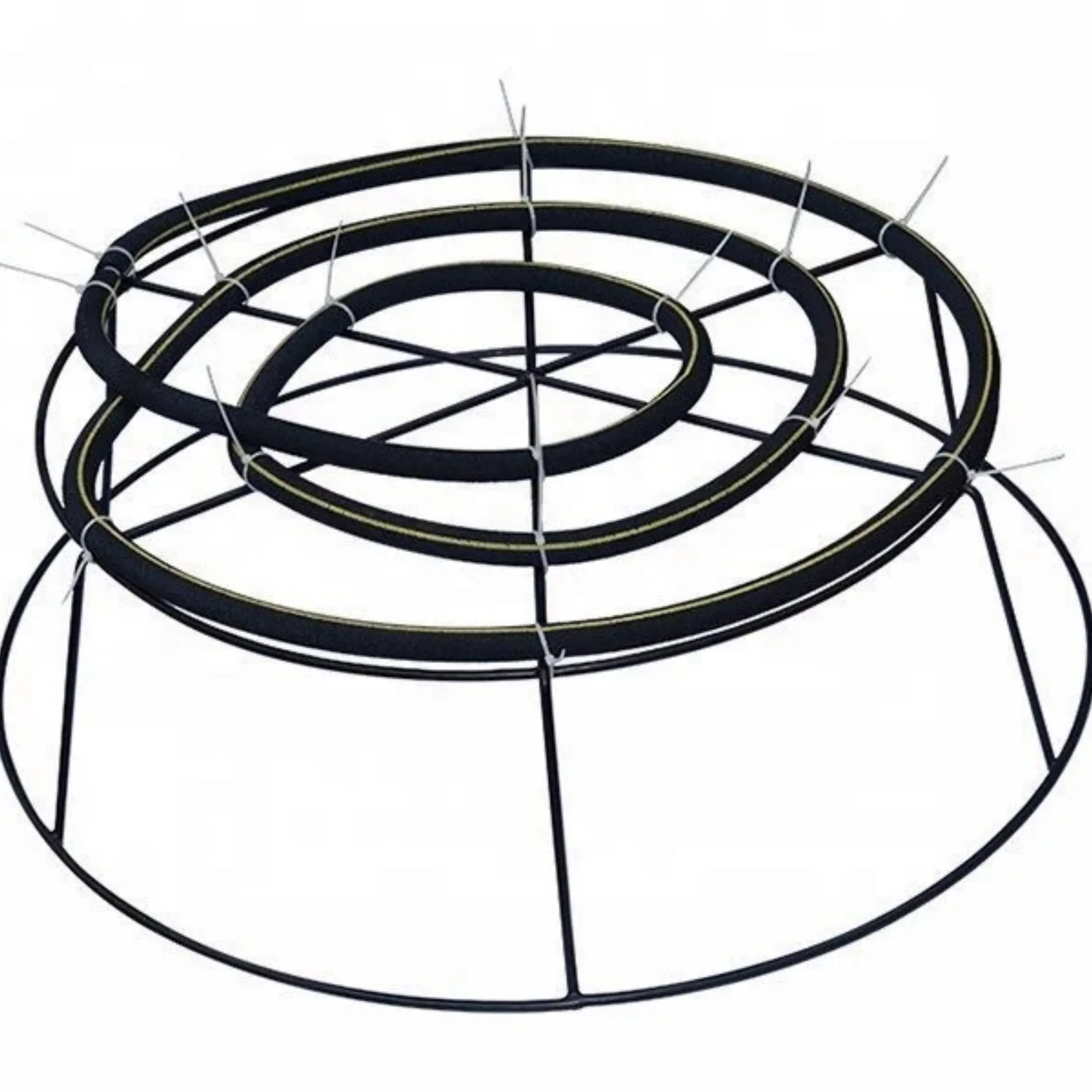
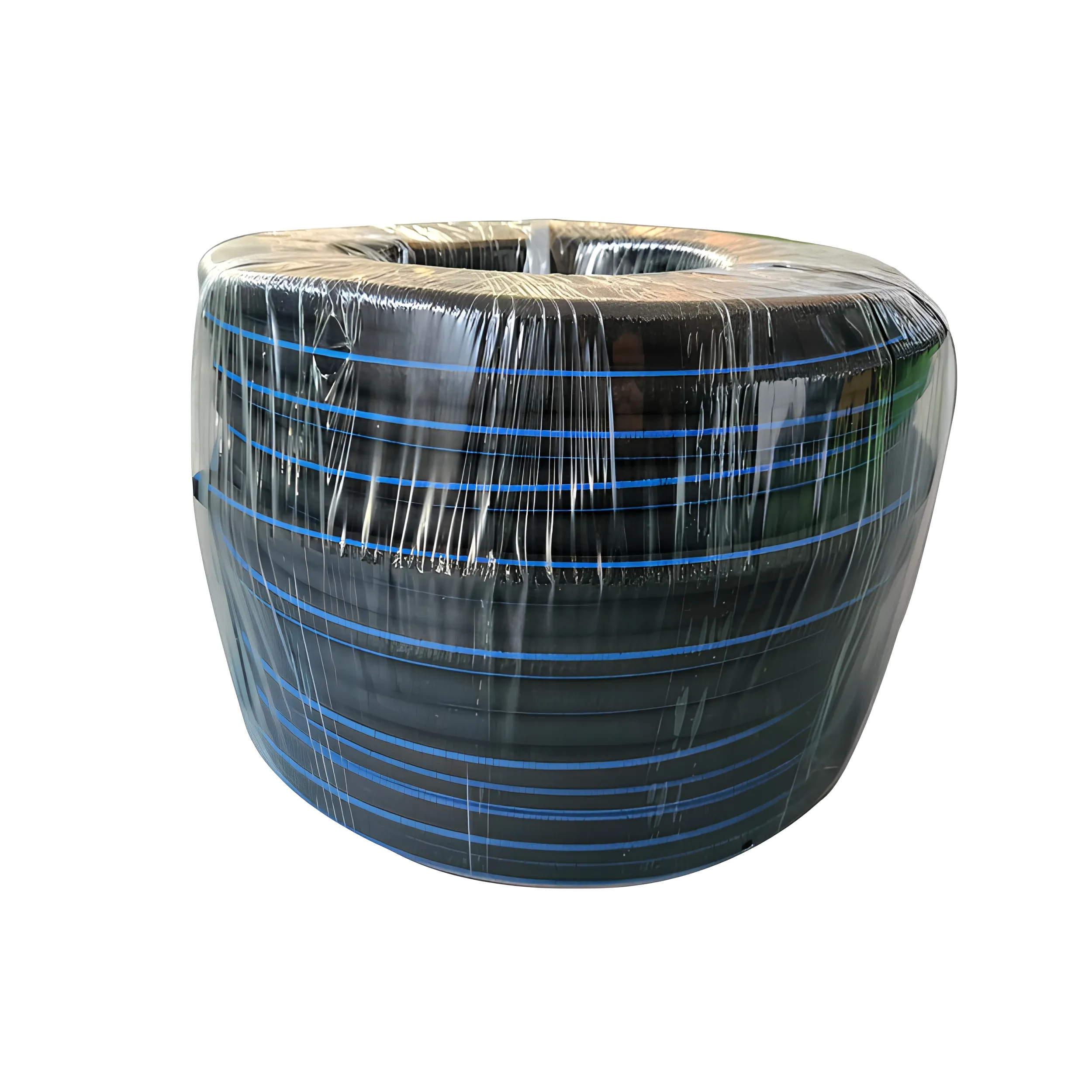
Specifications & sizing
Aeration tube specifications
Technical specifications
| Parameter | Value |
|---|---|
| Bubble diameter | 0.3–2 mm (freshwater) / 0.5–3 mm (seawater) |
| Pore density | 1,000–1,600 pores/m (60–80 mesh / 40 mesh) |
| Air output | 0.002–0.006 m³/min·m |
| Working airflow | 0.1–0.4 m³/h·m |
| Service area | 1–8 m²/m |
| Setup reference | 1 kW motor ↔ 100–150 m of tubing |
| Energy use | ≈ 0.15 kW per mu (667 m²) |
| Water depth | 0–5 m; supply pressure 0.05–0.10 MPa |
Tubing size selection (inner × outer)
| Tube size (mm) | Typical use | Notes |
|---|---|---|
| 10×16 | Shallow ponds, live transport tanks | Lightest, easiest to handle |
| 10×20 | Standard pond rows | Most common all-round size |
| 10×25 | Deeper ponds, larger areas | Higher air output per metre |
| 12×25 | Deep ponds, high-density rows | Balanced flow and strength |
| 16×25 | Larger areas, heavier duty | High air output |
| 20×28 | Heavy-duty / RAS basins | Maximum air flow |
Blower selection guide (ZXMSR series)
| Pond area (mu) | Blower model | Tubing length |
|---|---|---|
| 1–3 | ZXMSR65 | 100–300 m |
| 3–8 | ZXMSR80 | 300–800 m |
| 8–15 | ZXMSR100 | 800–1,500 m |
| 15–25 | ZXMSR125 | 1,500–2,500 m |
| 25–40 | ZXMSR150 | 2,500–4,000 m |
| 40–50 | ZXMSR175 | 4,000–5,000 m |
Energy comparison
| Aeration method | Energy (per mu) | Note |
|---|---|---|
| Microporous bottom aeration | ≈ 0.15 kW/mu | Oxygenates the bottom layer where it is needed |
| Paddle-wheel aerator | ≈ 2× microporous | Mixes the surface only |
| Air stone / coarse bubbles | Higher | Lower transfer efficiency, more energy |
Ask about Aeration Tubes & Discs
Request specifications, prices and lead times — our engineers reply within 24 hours.